Embodied Education Institute of Chicago
-
SHOPPING CART

-
Embodied Education Institute of Chicago
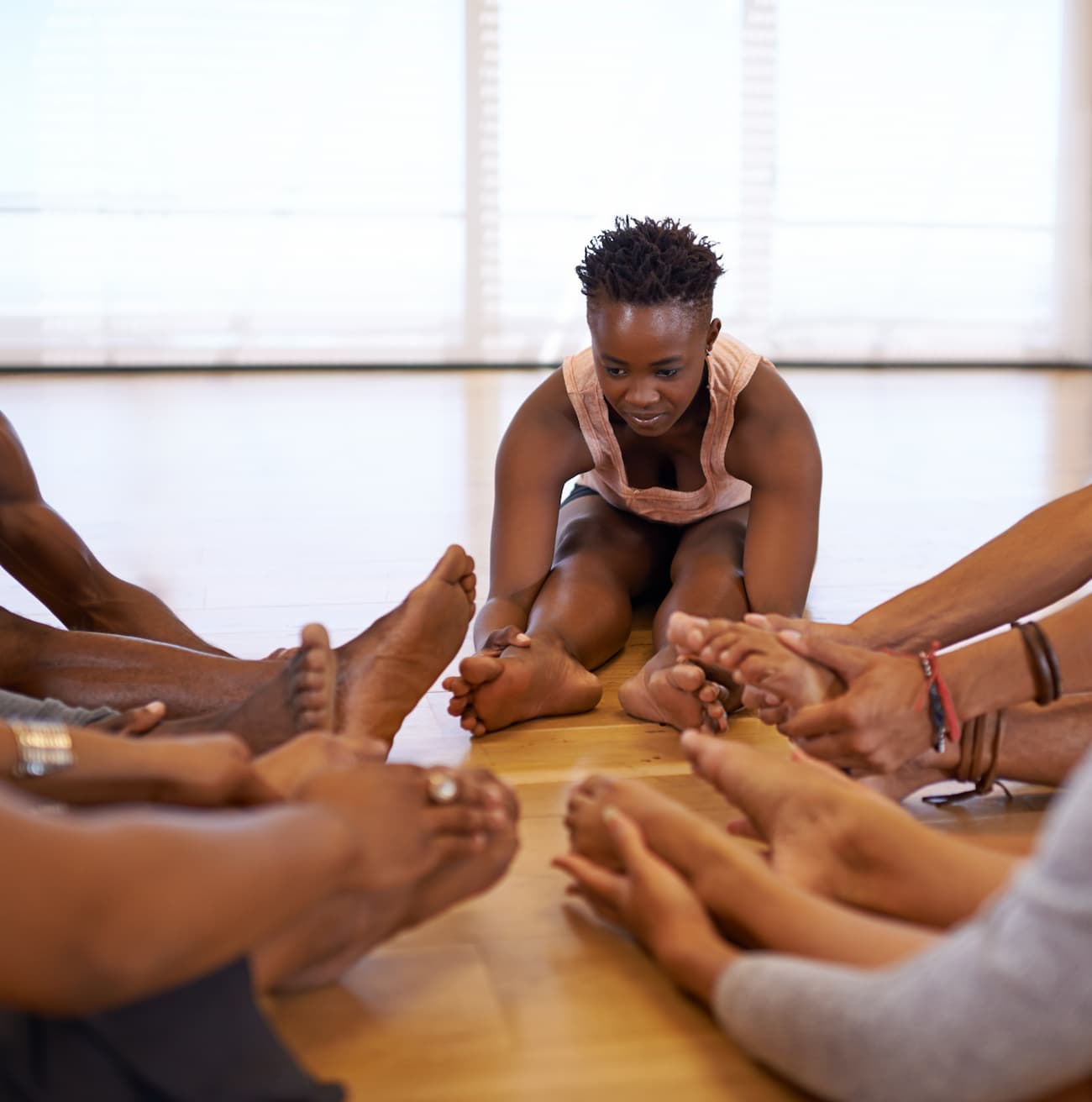
In the world of healing arts, few experiences are as powerful as moving, learning, and growing alongside others. In dance movement therapy (DMT) and therapeutic dance training, the cohort model—where a group of students progresses through a program together—creates a uniquely transformative container for both personal and professional development.
Whether you’re entering training as a clinician, educator, or movement practitioner, learning within a cohort can profoundly shape your journey.
A cohort model brings together a group of students who begin and complete a program as a unified learning community. Rather than rotating classmates each semester, participants share coursework, supervision, embodied practice, and reflection over an extended period.
In fields like Dance Movement Therapy, where relational awareness and embodied presence are central, this continuity becomes especially meaningful.
Dance movement therapy training requires more than intellectual understanding—it asks participants to explore their own movement histories, attachment patterns, body narratives, and emotional landscapes.
A consistent cohort:
As relationships strengthen, participants feel safer taking creative and emotional risks. This safety fosters breakthroughs that might not occur in a fragmented classroom setting.
Therapeutic dance is inherently relational. We learn not only through theory but through mirroring, attunement, witnessing, and co-regulation.
Within a cohort, students:
The continuity allows members to track shifts in posture, movement quality, and affect over time—skills essential in clinical practice.
Training in therapeutic modalities can surface intense material. A stable cohort becomes a support system:
This collective resilience strengthens both individual practitioners and the group as a whole.
In dance movement therapy, feedback is not just verbal—it is somatic, energetic, and relational.
Over time, cohort members learn:
Because peers understand one another’s baseline, feedback becomes more precise, compassionate, and constructive.
Becoming a dance movement therapist or therapeutic dance facilitator is not only about acquiring skills; it’s about embodying a professional identity.
A cohort:
Shared language and experiences create a sense of belonging within the field. Many graduates describe their cohort as their first professional community.
Group facilitation is a core component of therapeutic dance work. Being embedded in a cohort allows trainees to experience:
This lived experience becomes an invaluable reference point when later leading therapy groups.
Cohorts often evolve into lifelong collegial networks. Graduates collaborate on:
The bonds formed through shared embodied learning often extend far beyond graduation.
Dance movement therapy is grounded in the understanding that healing happens through connection—within the self and between people.
A cohort model reflects this philosophy. It reminds us that:
The shared rhythm of learning together mirrors the core principles of therapeutic dance itself.
In dance movement therapy and therapeutic dance training, the cohort is more than an administrative structure—it is a living, breathing organism. It becomes a practice ground for attunement, authenticity, and relational depth.
For those considering entering a program, ask not only about curriculum and credentials, but about the learning community. Because in embodied therapeutic work, who you train with can be just as transformative as what you learn.